Service area · Gilbert, AZ

Sewage Cleanup in Downtown Gilbert’s Heritage District – Older Homes and New Builds

The Heritage District is Gilbert's original town core, now a dining district with new mixed-use buildings going up. A local sewage cleanup pro handles backups in its oldest homes and its newest units alike.

  • Serving Gilbert, AZ

Get help now

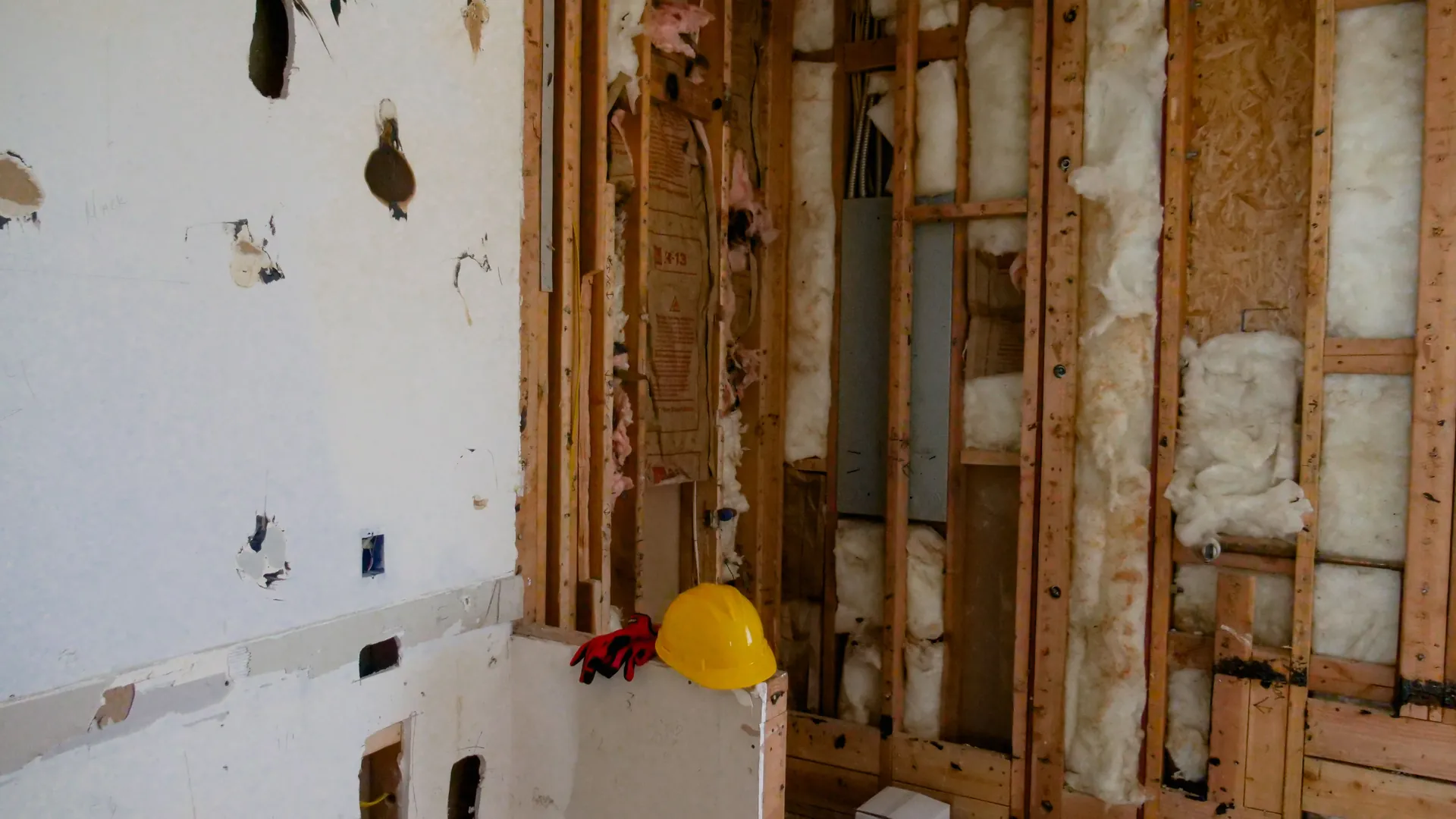
Interior wall opened to the studs and insulation after drywall removal
Sewage cleanup in the Heritage District covers older homes and new mixed-use units.
1891
earliest homestead in the area
30+
downtown restaurants
2025
Heritage Park mixed-use began

Why Downtown Gilbert’s Oldest Homes Back Up

Downtown Gilbert’s oldest homes back up because aging sewer lines are the most common cause of sewer backups (III). The Heritage District is Gilbert’s original town core, and the area’s earliest homestead dates to 1891. The district now holds more than 30 restaurants, with new mixed-use buildings rising beside its oldest houses.

Aging systems lead the Insurance Information Institute’s list, ahead of roots, combined pipelines and main-line blockages (III). Older drain lines carry decades of joint wear and root intrusion. Mature trees on established lots send roots toward any crack that leaks moisture (III). The first sign is a slow drain; the next is sewage at the lowest fixture.

Older houses often sit closer to the ground than newer ones, with fewer steps between the street and the front door. A low floor puts the lowest drain close to the level of the sewer connection. Sewage reaches that low drain sooner during a main-line blockage.

Older homes also hold older finishes. Original wood flooring and decades of layered materials react to sewage in different ways. The crew identifies each material before deciding what gets cleaned and what comes out.

Older homes often have older drain materials too. Cast iron and clay lines were common before plastic pipe took over. Cast iron corrodes from the inside, and clay joints let roots in. A plumber’s camera inspection identifies the pipe type and condition after the cleanup.

Backups in New Mixed-Use Buildings

A backup in a new mixed-use building often reaches more than one space, because homes and businesses share walls, floors and plumbing. Heritage Park, a mixed-use project at the district’s northern gateway, broke ground in May 2025. Stacked units and ground-floor businesses mean an upstairs overflow lands in the space below.

The crew inspects every space the water reached, upstairs and down, before removing anything. Each unit gets its own moisture readings and its own record of removed materials. Owners and the building manager let the crew into each space.

Ground-floor businesses close the affected area to customers during the cleanup. The crew separates the work zone with plastic barriers and keeps equipment inside it. Areas the water never reached stay open where the layout allows.

New construction does not change the category. Sewage in a brand-new building is still Category 3 water, so soaked drywall, insulation and flooring come out (IICRC S500). Disinfection and measured drying follow in every affected space.

New buildings also come with warranties. Photos and moisture records from the cleanup document the source of the backup for the owner, the building manager and any builder warranty claim.

Services for Older Homes, Restaurants and Shops

The crew handles 9 types of sewage cleanup in the Heritage District, led by restaurant and commercial kitchen backups, retail spaces and older-home backups.

Category 3 Cleanup in Older Homes

Category 3 cleanup in an older home follows the standard 5 steps, with extra attention to older materials. Inspection maps moisture through every room the water reached. Extraction removes the standing sewage. Disinfection and drying follow removal, as in any Category 3 job (IICRC S500).

The difference is in removal. Older homes mix solid wood and layered flooring with newer drywall and carpet. The crew separates materials that clean and disinfect from porous materials that absorbed sewage and come out. Drying runs until readings match the dry rooms, inside the CDC’s 48-to-72-hour mold window (CDC).

Solid hardwood flooring sometimes cleans, disinfects and dries in place when the exposure was short. Engineered flooring and laminate absorb water at the edges and usually come out. Moisture readings in the boards and the subfloor decide which path each floor takes.

Restaurant kitchens follow the same Category 3 steps with one extra concern: food safety. Food, packaging and porous prep items that the sewage reached get thrown away. Stainless surfaces and equipment get cleaned and disinfected before the kitchen reopens.

Is Cleanup Different in an Older Home?

Cleanup in an older home differs in the materials, not the method. Category 3 rules stay the same in any home (IICRC S500). Older homes simply need more sorting between what gets cleaned and what gets removed.

Older paint and building materials add one more check. Homes built before 1978 sometimes contain lead paint, according to the EPA (EPA). Disturbing painted drywall or trim in an older home calls for lead-safe work practices. The crew confirms the home’s age before cutting into painted surfaces.

What Cleanup Costs Near the Heritage District

Sewage cleanup near the Heritage District typically costs $7 to $14 per square foot of affected area. Sewer line repair is a separate cost from the cleanup.

The table below shows example ranges for downtown jobs, at $7 to $14 per square foot.

Job Affected area Low estimate High estimate
Older home bathroom backup 90 sq ft $630 $1,260
Shop restroom and back room 150 sq ft $1,050 $2,100
Upper and lower mixed-use units 260 sq ft $1,820 $3,640
Restaurant kitchen floor 400 sq ft $2,800 $5,600

Businesses usually ask for after-hours work to limit closed time, and the quote notes the schedule. Older homes with layered flooring add removal time. Each downtown quote follows the inspection.

Sewage Cleanup in Gilbert →

Frequently Asked Questions About Sewage Cleanup in Heritage District

How much does a sewer backup cost to fix?

The cleanup portion of a sewer backup typically costs $7 to $14 per square foot of affected area, or $2,000 to $10,000 for most homes. Repairing the sewer line itself is a separate cost. The cleanup quote covers extraction, removal, disinfection and drying.

Why are older homes more prone to sewer backups?

Older homes are more prone to sewer backups because aging sewer lines are the most common cause of backups (III). Joints loosen and cracks open over decades, and tree roots and grease use those openings to block the line (III). The cleanup inside an older home follows the same Category 3 process.

Can a backup in one unit affect the unit next door?

Yes. A backup in one unit reaches the next through shared walls, floors and plumbing. Moisture readings in both units show the spread, and contaminated drywall comes out on every side the water reached (IICRC S500). Each owner or the building manager opens access to the affected units.


Ready to get help now?

Call now, or send the short form and a local sewage cleanup pro will get back to you.

  • Serving Gilbert, AZ

Tell us what is going on

Call Now (800) 555-0199