Service area · Gilbert, AZ

Sewage Cleanup in Power Ranch, Gilbert – Documented for Your Insurance Claim

Most Power Ranch homes were built between 2001 and 2008, and its townhomes in the 2010s. When sewage backs up, a local sewage cleanup pro cleans it up and records what an insurer will ask for.

  • Serving Gilbert, AZ

Get help now

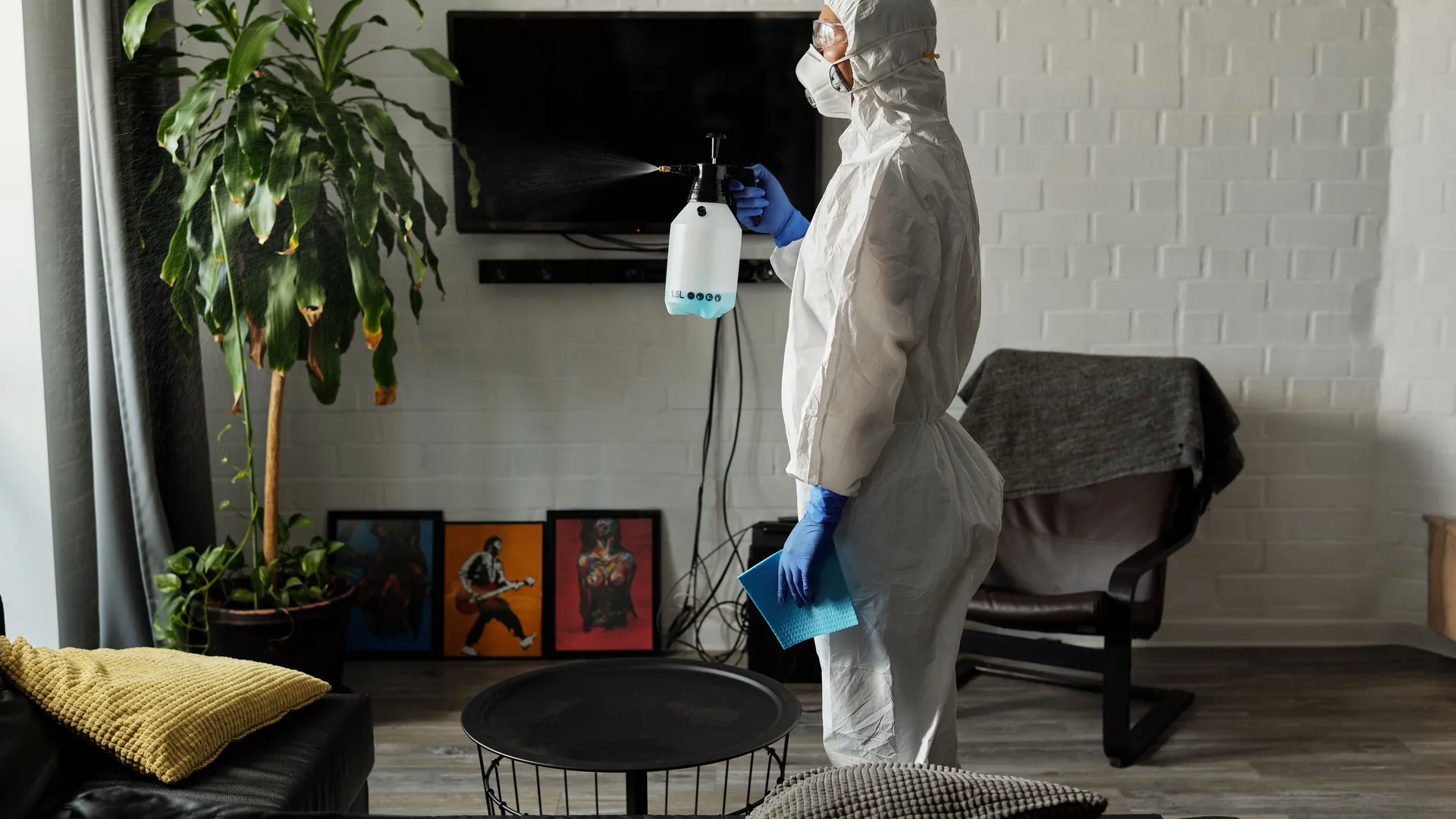
Worker in a protective suit spraying disinfectant in a living room
Sewage cleanup in Power Ranch includes photos and moisture readings for the claim.
~2,300 acres
master-planned community
2001-2008
when most homes were built
2010s
townhome sections

Power Ranch Homes at 20 Years: Why Backups Start

Most Power Ranch homes were built between 2001 and 2008, so their plumbing is now 17 to 25 years old. Power Ranch is an award-winning master-planned community of about 2,300 acres in southeast Gilbert. DMB and Sunbelt Holdings started the community in the late 1990s. Several builders put up most of the homes, including Fulton, Meritage and Shea, and townhome sections followed in the 2010s.

The Insurance Information Institute names aging sewer systems, tree roots, combined pipelines and main-line blockages as the common causes of sewer backups (III). A 20-year-old line has had two decades of grease, wipes and root growth working on its joints. The first signs are slow drains and a gurgling toilet. A full blockage pushes sewage out at the lowest drain, usually a shower or a laundry floor drain.

Backups in homes this age arrive without much warning, because the lines look fine from inside the house. One overflow is enough to soak flooring, baseboards and the bottom of the drywall in several rooms.

Power Ranch covers about 2,300 acres with many sub-neighborhoods, so homes on the same street often came from different builders. Each builder laid out bathrooms and laundry rooms differently. The lowest drain in one house sits in a laundry room; in the next house, the lowest drain is a downstairs shower. The crew finds the exit point first, because that room holds the heaviest contamination.

Documenting a Backup for Your Insurance Claim

A sewage backup claim depends on what gets recorded before and during the cleanup. A standard homeowners policy excludes sewer backups, and coverage comes from a sewer backup rider (III). Owners with the rider file a claim, and the claim rests on evidence.

The crew records the job as it goes: photos of the source and every affected room, moisture readings on a map of the home, and a list of removed materials. The readings show the insurer how far the water traveled, including inside walls. The removal list explains each line of the cleanup invoice.

Owners without the rider still benefit from the same records. Photos and readings settle questions with an HOA when a backup touches a shared wall or common area. The records also show a future buyer that the home was cleaned and dried to the standard, not just patched.

What an Insurer Usually Asks For

An insurer reviewing a sewage backup claim usually asks for 5 items:

  • The date and source of the backup.
  • Photos taken before cleanup.
  • A list of damaged and discarded property.
  • The cleanup invoice.
  • Drying records with moisture readings.

Owners add their own photos of personal property before anything is thrown out. Keep every receipt for emergency purchases made during the backup.

Services for 2000s Houses, Townhomes and Nearby Shops

The crew handles 9 types of sewage cleanup in Power Ranch, led by floor drain and toilet backups in 2000s houses and backups that cross townhome walls. Photo documentation applies to every job type.

Every job uses the same number on this page.

Cleanup in Townhomes vs. Larger Detached Houses

Cleanup in a Power Ranch townhome covers every unit the water reached, while cleanup in a detached house covers every room it reached. Townhomes from the 2010s share walls, so moisture readings run on both sides of each shared wall. Contaminated drywall comes out wherever the water wicked (IICRC S500).

Detached houses from the 2000s are larger, and a backup there often spreads across a hallway into two or three rooms. The crew maps moisture room by room before removing anything. Extraction comes first, then removal of soaked baseboards, drywall and padding. Hard surfaces get cleaned and disinfected.

Upstairs bathrooms in two-story detached houses send water down as well as across. An upstairs overflow wets the subfloor first, then the ceiling drywall and insulation in the room below. The crew opens a small inspection cut in the ceiling when readings show moisture above it. Ceiling material that absorbed sewage joins the removal list and the claim photos.

Both home types dry with air movers and dehumidifiers until readings match the unaffected rooms. Drying inside 48 to 72 hours prevents mold (CDC). The drying log becomes part of the claim file.

In the first hour, a Power Ranch owner protects the claim with 3 actions: stop all water use, photograph every affected room before touching anything, and set aside damaged items instead of throwing them away. An insurer asks to see discarded property or photos of it. Keep receipts for anything bought during the backup, from fans to a hotel night.

What Cleanup Costs in a 2000s-Era Home

Cleanup in a 2000s-era Power Ranch home typically costs $7 to $14 per square foot of affected area. Larger detached houses cost more only when the water spread further.

The table below shows example ranges for common Power Ranch jobs, at $7 to $14 per square foot.

Job Affected area Low estimate High estimate
Laundry room floor drain backup 60 sq ft $420 $840
Hall bathroom overflow 90 sq ft $630 $1,260
Townhome bathroom and shared wall 180 sq ft $1,260 $2,520
Detached house, 3 rooms 450 sq ft $3,150 $6,300

A sewer backup rider pays these costs on covered claims (III). Two-story detached houses add cost only when water runs down into the ceiling below. Each Power Ranch quote goes into the claim file with the photos and readings.

Sewage Cleanup in Gilbert →

Frequently Asked Questions About Sewage Cleanup in Power Ranch

Is sewer back up coverage worth it?

Sewer backup coverage costs a small add-on premium with most insurers, while a single cleanup typically runs $2,000 to $10,000. A standard homeowners policy and flood insurance both exclude sewer backups (III). For a Power Ranch home with 20-year-old plumbing, the rider closes that gap.

What does category 3 water look like?

Category 3 water has no reliable look: clear water from a sewer line still counts as Category 3 (IICRC, 2026). Any water from a toilet with feces, a floor drain backup or a sewer line belongs in Category 3. The source decides the category, not the color.

Should I take photos before the sewage cleanup starts?

Yes. Photos taken before cleanup show the source, the spread and every damaged item, which supports an insurance claim. Take wide shots of each room, close-ups of the source and damaged materials, and a list of anything thrown out.


Ready to get help now?

Call now, or send the short form and a local sewage cleanup pro will get back to you.

  • Serving Gilbert, AZ

Tell us what is going on

Call Now (800) 555-0199